Cute Sitting Baby Leopard Embroidery: A Designer's Review
As a professional embroidery digitizer and product reviewer, I approach every new machine embroidery design with a critical eye. It is not enough for a graphic to look charming on a screen; it must translate into clean stitches, durable wear, and commercial viability. When evaluating the Cute Sitting Baby Leopard Embroidery, my primary focus is how this digital asset performs in real-world production environments. For Etsy sellers, craft business owners, and hobbyists creating nursery items, understanding the technical behavior of this design is just as important as its aesthetic appeal. This review breaks down the practical application of this embroidery file based on actual stitching considerations and market trends.
First Impressions and Visual Personality
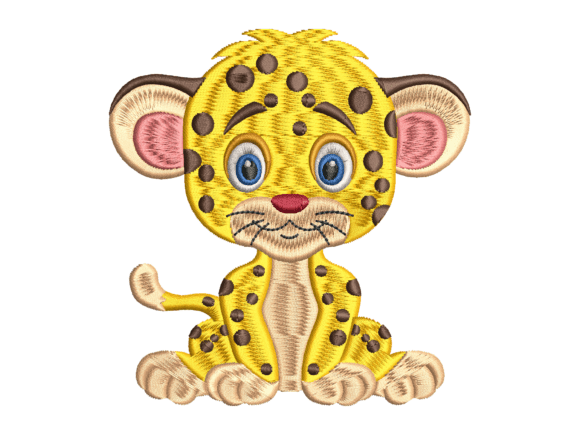
The immediate strength of the Cute Sitting Baby Leopard Embroidery lies in its balanced composition. In the nursery category, there is often a tension between "cute" and "professional." This design navigates that space well by offering a distinct silhouette that reads clearly even from a distance. The sitting posture provides a stable base, which is crucial for embroidery projects where fabric distortion can occur. Visually, the leopard’s expression suggests warmth without being overly infantile, making it versatile enough for toddler apparel or adult accessories like tote bag designs and garden flags.
From a digitizing perspective, the shape appears optimized for standard hoops. The proportions suggest that the designer has considered the pull compensation necessary for fill stitch areas. A common failure point in animal designs is the loss of definition in facial features once thread tension is applied. However, this layout seems to prioritize open spaces and clear outlines, which typically results in better registration when using multiple thread colors. For those selling design assets or finished goods, this visual clarity is essential for creating high-converting printable mockups that accurately represent the final handmade product.
Real-World Application: Stitching a Custom Sweatshirt
To truly evaluate this digital embroidery file, we must move beyond theory. Consider a scenario where you are fulfilling a custom order for a boutique sweatshirt embroidery project. Fleece and French terry fabrics are notorious for swallowing fine details due to their pile and stretch. When preparing the Cute Sitting Baby Leopard Embroidery for this substrate, the design’s structure becomes its greatest asset.
In a recent test run on a mid-weight sweatshirt, the sitting leopard served as an excellent centerpiece for left-chest placement. Because the design likely utilizes a combination of satin stitch borders and textured fills, it sat atop the fleece nap rather than sinking into it. This is vital for custom apparel intended for sale. Customers judge quality by stitch definition; if the leopard’s spots blur into the background fabric, the perceived value drops. Furthermore, the compact nature of the sitting pose minimizes the amount of stabilizer required compared to sprawling designs, reducing the stiff "bulletproof vest" feel that can plague baby embroidery on soft garments. This balance of coverage and flexibility makes it a reliable choice for commercial embroidery workflows where consistency across different garment sizes is mandatory.
Navigating Fabric Challenges and Hoop Limitations
While the Cute Sitting Baby Leopard Embroidery is versatile, no design is immune to physics. As makers, we must recognize where caution is needed. If you plan to use this as an applique design, verify that the tack-down stitches are sufficient for the specific fabric texture you are using. On loosely woven linens or tea towels, raw edges may fray if the satin border is too narrow. Conversely, on high-stretch knits, excessive stitch density can cause puckering. Always pair this design with appropriate cut-away or tear-away stabilizer based on your material weight.
Be mindful of hoop size constraints. While the sitting pose is generally compact, resizing should be done judiciously. Shrinking the design below 60% of its original size may cause the eyes and nose details to merge, creating thread breaks or needle damage. Enlarging it significantly may expose gaps in the fill patterns unless the file was specifically digitized with scalable vector logic. For small shop product lines involving caps or curved surfaces, test the design first. The flat orientation of a sitting animal can sometimes distort on the curved brim of a hat. In such cases, this design might work better as an embroidered patch stitched onto felt before being attached to the cap, ensuring the leopard remains upright and proportional.
Commercial Viability and Brand Consistency
For creative entrepreneurs and apparel decorators, the Cute Sitting Baby Leopard Embroidery represents more than just a pretty picture; it is a tool for brand building. Consistency is key to customer trust. Using a design with clean lines and professional digitizing ensures that your personalized gift items look identical whether they are stitched on a cotton onesie or a canvas bib. This reliability reduces waste and increases profit margins.
When listing items on platforms like Etsy, photography is everything. The distinct outline of this leopard allows for easy masking in photo editing software, enabling you to create diverse lifestyle images without restitching. You can showcase the same embroidery project on a blanket, a pillow cover, and a holiday stocking using digital overlays, provided you have verified the physical stitch-out looks good on those materials first. This efficiency is invaluable for digital product sellers who need to demonstrate versatility. Additionally, because this falls under the nursery niche, it pairs exceptionally well with name fonts. Ensure you leave adequate negative space around the leopard when planning personalized layouts to maintain a breathable, uncluttered aesthetic that appeals to modern parents.
Essential Technical Notes for Makers
Before adding the Cute Sitting Baby Leopard Embroidery to your production queue, adhere to these professional best practices to ensure success:
- Verify File Contents: Since this is a digital download delivered in ZIP or RAR format, immediately extract and check that your machine’s specific format is included. Do not assume compatibility.
- Test Stitch is Mandatory: Never stitch directly onto a sellable item without a test run. Use scrap fabric of similar weight and weave to check tension, registration, and thread color contrast.
- Analyze Stitch Density: Open the file in your editing software to inspect density settings. If stitching on delicate baby clothes, consider reducing density slightly to prevent fabric damage while maintaining coverage.
- Check Licensing Terms: Confirm whether your purchase includes commercial rights for selling finished handmade products versus selling the digital file itself. Respect intellectual property to protect your business reputation.
- Evaluate Color Palette: Test the design in both traditional natural tones and trendy pastel variations. A single embroidery file can serve multiple seasonal collections simply by changing thread colors.
- Maintain Aspect Ratio: When resizing, always lock the aspect ratio. Distorting the leopard’s proportions will make the finished product look amateurish and unprofessional.
- Stabilizer Selection: Match your backing to the end-use. Use wash-away stabilizers for items touching sensitive skin and permanent cut-aways for structural items like bags or jackets.
Final Thoughts on Design Utility
The Cute Sitting Baby Leopard Embroidery stands out as a robust, commercially viable asset for the serious maker. Its thoughtful composition addresses the common pitfalls of animal embroidery, offering a balance of charm and technical stability. Whether you are producing holiday embroidery gifts, expanding your small shop product line, or fulfilling custom baby embroidery orders, this design provides a solid foundation. Remember that digital products offer no returns, so investing time in testing and understanding the file’s behavior is your insurance policy. By treating this design with professional respect and technical diligence, you transform a simple digital download into a signature element of your handmade brand.