Cute Baby Pig Embroidery: A Maker's Review
As an experienced embroidery designer preparing for a busy weekend craft fair, I approach every new machine embroidery design with a critical eye. It is not enough for a file to simply look good on a computer screen; it must translate into a profitable, high-quality handmade product that catches the attention of shoppers walking past my booth. When evaluating the Cute Baby Pig Embroidery design, my primary focus is on its commercial viability and production efficiency. This review breaks down how this specific design performs in real-world applications, from stitch-out tests to final sales strategies for Etsy sellers and boutique makers.
First Impressions and Market Positioning
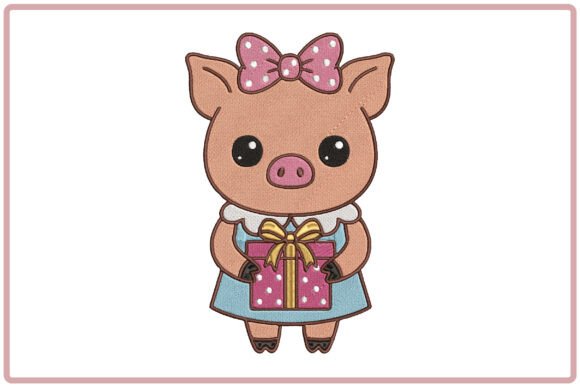
The immediate appeal of the Cute Baby Pig Embroidery lies in its emotional resonance. Based on the description featuring a tiny, smiling pink piglet with rosy cheeks, this design projects a soft, whimsical aesthetic that fits perfectly within the Nursery category. For a craft fair table display, this level of cuteness acts as a visual hook. Shoppers are naturally drawn to items that evoke warmth and nostalgia. Unlike complex or abstract art, this design communicates its theme instantly from a distance, which is crucial when you have seconds to capture customer interest.
From a production standpoint, the "tiny" nature of the piglet suggests it will function best as an accent motif rather than a massive back-piece. This is excellent news for batch production. Smaller designs generally require less thread and stabilizer, reducing the cost per unit. The rosy cheeks imply color blending or shading, so I immediately check the stitch density in those areas. If the shading is achieved through dense satin stitches, it may pucker lightweight fabrics. However, if it uses lighter fill stitches, it will be versatile across various substrates. This balance between visual sweetness and technical feasibility determines whether this embroidery file becomes a staple in my inventory.
Best Selling Products for Craft Fairs
When planning my booth layout, I categorize products by how they showcase specific design attributes. The Cute Baby Pig Embroidery excels in several key categories that drive sales at handmade markets.
- Tea Towel Embroidery: This is arguably the strongest application for this design. Kitchen linens are high-volume sellers at craft fairs. The small scale of the piglet allows for placement in the bottom corner or centered above a decorative border. Because tea towels are often gifted, the nursery-appropriate theme appeals to new parents and grandparents alike.
- Tote Bag Design: Canvas totes provide a sturdy base for machine embroidery. A centered baby pig creates a sweet, reusable market bag perfect for farmers' markets. The contrast of pink thread against natural canvas or white cotton is visually striking and photographs beautifully for online listings.
- Embroidered Patch: Given the compact size described, this artwork is ideal for creating standalone patches. Patches are low-cost add-ons at checkout. I can produce these in bulk using water-soluble stabilizer, making them a highly efficient small shop product.
- Apron Embroidery: Placing the piglet on the chest pocket area of a half-apron adds a personalized touch without overwhelming the garment. This targets customers looking for cute kitchen wear rather than utilitarian gear.
- Nursery Decor: Pillow covers and bibs are direct applications. For these items, the softness of the design aligns with buyer expectations for baby-safe, gentle aesthetics.
Production Practicalities and Technical Notes
While the aesthetic is charming, successful commercial embroidery requires technical diligence. Before listing any finished product derived from the Cute Baby Pig Embroidery, I must address specific production variables.
Fabric Texture and Stabilization
The mention of "rosy cheeks" indicates detailed facial features. On textured fabrics like terry cloth tea towels or waffle-weave aprons, these details can get lost or sink into the pile. As a designer, I advise using a heavy-weight tear-away or cut-away stabilizer combined with a water-soluble topping. The topping keeps the stitches sitting on top of the texture, ensuring the smile and cheek definition remain crisp. Without this step, the fabric texture will compromise the design's clarity, leading to unsellable seconds.
Sizing and Detail Integrity
Because the source description specifies a "tiny" piglet, resizing requires caution. Reducing the size further to fit a cap or small pouch may cause the facial details to merge. Small lettering or fine outlines often disappear below certain thresholds. Conversely, enlarging the design significantly might reveal gaps in the fill pattern if the digitizer did not account for scaling. Always verify the recommended hoop size and test the limits of resizing before committing to a large production run.
Thread Colors and Contrast
Pink on pink is a common pitfall. If embroidering on blush-toned nursery fabrics, ensure the thread colors offer sufficient contrast. The rosy cheeks should be distinct from the body color. During my test phase, I compare multiple thread brands to find the exact shade that pops against both white and colored backgrounds. This attention to detail elevates the perceived value of the finished product.
Visual Merchandising and Online Appeal
For Etsy sellers and digital creators, the transition from physical booth to digital listing is seamless with this design. The Cute Baby Pig Embroidery has strong "thumbnail potential." Its simple, recognizable shape reads clearly even at small sizes on mobile screens. When creating a printable mockup or photographing samples, use natural lighting to capture the sheen of the embroidery thread. Flat lays work exceptionally well for this style, especially when styled with other nursery props like wooden toys or pastel blankets.
In a physical booth setting, group items featuring this design together to create a cohesive collection. A basket of pig-themed tea towels next to a display of matching patches encourages multi-item purchases. Visual consistency builds brand recognition; customers begin to associate your booth with high-quality, adorable nursery goods. This strategic grouping maximizes the impact of your design assets and increases average transaction value.
Essential Pre-Production Checklist
Before turning the Cute Baby Pig Embroidery into a revenue stream, professional makers must validate the following points. Never assume a digital embroidery file is production-ready without verification.
- Run a Test Stitch-Out: Always embroider the design on scrap fabric identical to your intended selling product. Check for puckering, registration errors, or thread breaks.
- Verify Licensing: Confirm the commercial license terms. Some designers allow unlimited sales of finished products but prohibit selling the digital file itself. Ensure your business model complies with these restrictions.
- Check Stitch Count: High stitch counts increase production time and thread usage. Calculate your pricing based on actual machine runtime to ensure profitability.
- Evaluate Hoop Stability: Ensure the design fits comfortably within your hoop with adequate margin. Designs stitched too close to the hoop edge often suffer from tension issues.
- Create Physical Samples: Do not rely solely on software simulations. Customers buy what they can see and touch. Having at least one real sample on hand helps answer questions about size and texture.
- Review Color Fastness: If selling washable items like bibs or towels, pre-test your threads to ensure the pink dyes do not bleed during laundering.
The Cute Baby Pig Embroidery represents a fantastic opportunity for makers targeting the nursery and gift market. Its inherent charm drives impulse buys, while its compact size supports efficient manufacturing. By respecting the technical requirements of stitch density, stabilization, and fabric choice, you can transform this precious design into a best-selling staple for your craft fair booth or online shop. Remember, in the world of commercial embroidery, success lies in the intersection of adorable aesthetics and flawless execution. Take the time to test, refine, and merchandise this design properly, and it will undoubtedly add sweetness to both your product line and your profit margins.