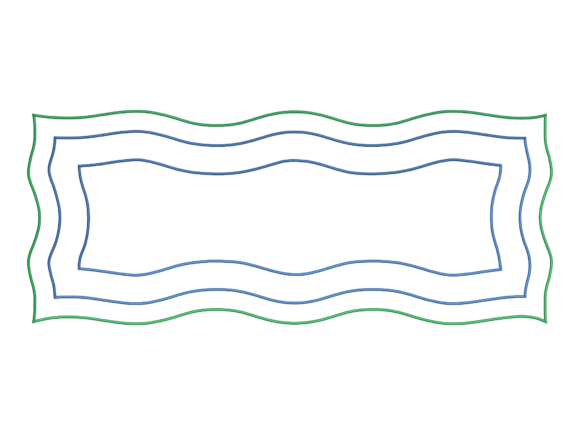
Wavy Runner Placemat Embroidery: A Designer's Review
As an embroidery digitizer and product reviewer, I approach every new machine embroidery design with a critical eye. It is not enough for a file to simply stitch out without thread breaks; it must serve a purpose in the real world of handmade goods and commercial production. When evaluating the Wavy Runner Placemat Embroidery, my primary focus was on its versatility beyond the dining table. While categorized under Kitchen, this design possesses a fluid, organic aesthetic that translates surprisingly well into other mediums. My first impression upon loading the digital embroidery file was that the continuous line work creates a sense of movement that rigid geometric patterns often lack. This visual personality makes it an excellent candidate for projects requiring a touch of softness or bohemian flair.
Real-World Application: From Table Linens to Tote Bags
To truly test the viability of this design, I moved past the standard placemat application. In my studio, we were recently preparing a custom order for a boutique client needing branded canvas tote bags with a coastal, relaxed vibe. The Wavy Runner Placemat Embroidery became the unexpected hero of this project. Because the design relies on flowing lines rather than heavy blocks of color, it maintained the structural integrity of the canvas without adding excessive bulk. This is crucial for tote bag design, where dense stitching can cause the fabric to pucker or become too stiff for daily use.
The result was a sophisticated handmade product that looked intentional rather than generic. Customers responded positively to the organic shape, noting that it felt more like high-end apparel decoration than traditional kitchenware. This experience highlighted a key strength: the design’s adaptability. Whether you are creating custom apparel, sweatshirt embroidery, or unique holiday embroidery gifts, the wavy motif acts as a versatile border or central element that elevates the perceived value of the finished item. For Etsy sellers and small shop owners, this adaptability means one purchase can yield multiple product listings across different categories.
Navigating Fabric Textures and Stabilizer Choices
However, no embroidery file is immune to material variables. During testing, I found that the performance of Wavy Runner Placemat Embroidery is heavily dependent on your choice of stabilizer and fabric texture. On smooth cottons and linens, the stitches laid flat and crisp. Conversely, when tested on a textured tea towel, some of the finer running stitch details got lost in the weave. If you plan to use this on nubby fabrics or terry cloth, I strongly recommend using a water-soluble topping to prevent the stitches from sinking. This ensures the design remains visible and professional after washing.
Crafters working with stretchy knits for baby embroidery or lightweight summer tops must exercise caution. The linear nature of wavy designs can sometimes cause tunneling if the tension is not perfectly balanced or if the wrong stabilizer is used. Always pair this design with a cut-away stabilizer for stretch fabrics to maintain the wave’s shape over time. For dark fabrics, verify your thread colors before stitching. The design likely relies on contrast to define the waves, so testing on a scrap piece of your actual project fabric is non-negotiable. A design that pops on white linen might disappear entirely on navy denim unless you adjust your thread palette.
Technical Considerations for Commercial Use
For those running a craft business or offering commercial embroidery services, efficiency matters. Before adding Wavy Runner Placemat Embroidery to your production lineup, review the technical specifications included in the ZIP or RAR download. Since specific hoop size requirements and stitch density data are not listed in the general product description, you must verify these within your embroidery software or machine interface. Confirming the dimensions prevents hooping errors and wasted materials. Additionally, check whether the design utilizes complex jumps or trims that could slow down multi-needle machines. A design that requires constant manual intervention may not be suitable for high-volume production runs, even if it looks beautiful.
Licensing is another critical factor for digital assets. As this is a digital product with instant download and no returns, you must confirm the usage rights immediately upon receipt. Ensure the license permits selling the finished product commercially if that is your intent. Some designers restrict the resale of digital files but allow unlimited physical sales, while others have caps on production numbers. Clarifying this protects your business and respects the creator's intellectual property. This due diligence is part of maintaining professionalism and customer trust in the maker community.
Enhancing Visual Appeal and Brand Consistency
Beyond technical execution, consider how this design aligns with your brand identity. The Wavy Runner Placemat Embroidery carries a distinct mood—calm, rhythmic, and natural. It pairs beautifully with minimalist branding, eco-friendly packaging, and neutral color schemes. If your shop specializes in bold, cartoonish, or highly detailed realistic art, this design might feel out of place. However, for makers focusing on modern farmhouse, coastal, or Scandinavian aesthetics, it serves as a perfect cohesive element.
When creating printable mockups or digital previews for your online store, showcase the design on varied backgrounds. Test it in black and white to ensure the values hold up without color reliance. This helps customers visualize the design on different products and increases buyer engagement. Remember that a personalized gift often sells better when the customer can clearly see how the embroidery complements the base item. High-quality presentation of your design assets signals that you understand both the art and the craft of embroidery.
Practical Designer Notes for Success
To get the best results from Wavy Runner Placemat Embroidery, treat it as a starting point rather than a final solution. Here are practical steps I recommend based on my review:
- Test Stitch First: Never run this design directly on a final product without a test sew-out. Check for registration issues, especially if combining with text or logos.
- Evaluate Density: Inspect the stitch density in your software. If stitching on delicate heirloom fabrics, you may need to reduce density slightly to prevent perforation.
- Check Small Details: If resizing the design smaller, ensure that any satin stitch columns do not become too thin to stitch reliably. Running stitches may need conversion to satin if scaled down significantly.
- Mockup Variety: Create mockups showing the design as a standalone piece and as an accent. This demonstrates versatility to potential buyers looking for embroidered patch ideas or border accents.
- Wash Testing: For items intended for frequent laundering like aprons or baby clothes, wash your test sample three times. This reveals whether the waves distort or if the stabilizer breaks down prematurely.
Ultimately, Wavy Runner Placemat Embroidery is a valuable asset for the thoughtful maker. It bridges the gap between functional kitchen decor and fashionable accessories, provided it is executed with attention to material compatibility and technical precision. By approaching this embroidery project with a designer’s mindset—testing, adapting, and refining—you transform a simple digital file into a signature element of your creative portfolio. Whether you are an experienced apparel decorator or a hobbyist exploring new styles, this design offers the flexibility needed to create meaningful, marketable, and beautiful stitched goods.