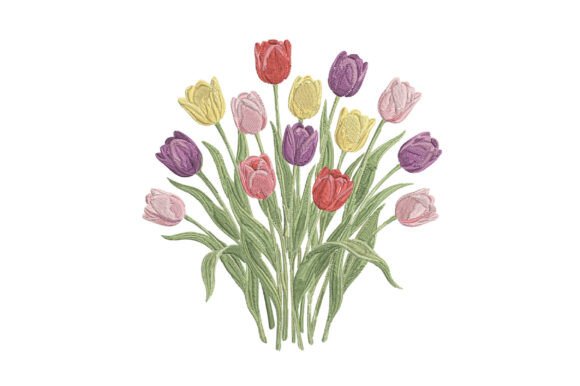
Spring Tulip Floral Embroidery Design Review
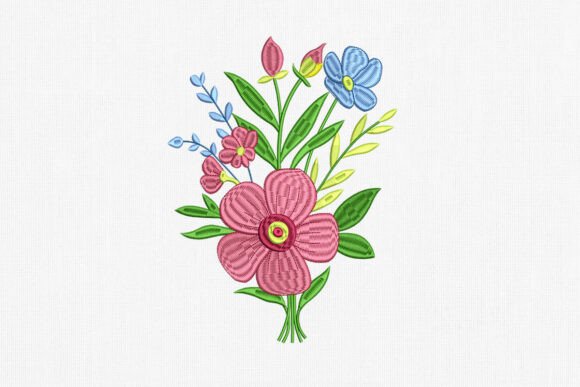
As I prepare my booth inventory for the upcoming weekend craft fair, I am constantly evaluating which digital assets will translate best into physical sales. The Spring Tulip Floral Embroidery Design has caught my attention as a potential anchor piece for my spring collection. When reviewing a new machine embroidery design for commercial production, I look beyond the screen preview to assess stitch integrity, marketability, and versatility across different handmade products. This specific pattern, featuring a beautiful bunch of blooming tulips in soft pastel and vibrant colors with detailed green leaves, presents a unique opportunity for Etsy sellers and boutique makers. However, successful selling requires understanding how this elegant floral embroidery pattern performs on actual fabric, not just in software.
First Impressions and Market Positioning
My immediate assessment of the Spring Tulip Floral Embroidery Design is that it strikes a balance between classic elegance and fresh, modern appeal. It does not feel overly rustic or strictly farmhouse; instead, the combination of soft pastels with vibrant accents gives it a premium, contemporary cottage aesthetic. For a craft fair product, this is crucial. Customers browsing a table display are drawn to items that feel high-end yet accessible. The bouquet arrangement suggests movement and life, which prevents the design from looking stiff or dated.
For creative entrepreneurs, this mood is highly sellable. It appeals to customers looking for spring refreshment items rather than generic floral decor. As an embroidery business owner, I recognize this style as a strong contender for higher price points because the color blending implies complexity and quality. Whether you are a digital seller offering the embroidery file or a maker selling finished goods, the visual weight of this design communicates value instantly.
Evaluating Product Applications for Craft Fairs
Determining where to apply the Spring Tulip Floral Embroidery Design is just as important as the design itself. Based on the description of detailed green leaves and blooming flowers, I have identified several high-potential applications for my booth:
- Tote Bag Design: Canvas totes are a staple small shop product. The tulip bouquet serves as an excellent focal point on natural cotton canvas. The contrast between the vibrant thread colors and the neutral bag background ensures visibility from a distance, drawing customers into the booth.
- Tea Towel Embroidery: Kitchen textiles are top sellers at handmade markets. This design works beautifully on flour sack towels, provided the stabilizer is adequate to prevent puckering. The elegant nature of the pattern elevates a simple towel into a giftable handmade item.
- Apron Embroidery: Placing this bouquet on the bib or lower pocket of a linen apron creates a cohesive spring collection. Aprons allow for a larger hoop size, showcasing the full detail of the leaves and petals without distortion.
- Embroidered Patch: For vendors who want to offer lower-priced entry items, converting this design into a patch is effective. However, this requires testing stitch density to ensure the satin stitches on the petals remain smooth when detached from the backing.
- Pillow Covers and Pouches: These items allow customers to buy into the aesthetic without committing to apparel. They serve as excellent booth samples to demonstrate thread texture and color accuracy.
Production Practicality and Batch Efficiency
When preparing for a market, time is money. I need to know if the Spring Tulip Floral Embroidery Design is repeatable for batch production. A design that requires constant re-threading or excessive trimming slows down output. While I cannot verify the exact stitch count or jump stitch frequency without loading the digital embroidery file myself, the description of "detailed green leaves" suggests potential color changes. For commercial embroidery efficiency, I recommend grouping similar thread colors if producing multiple units. If the design uses blended shading, expect longer run times but superior visual depth.
Photographing this design for online listings and printable mockups is straightforward due to its distinct silhouette. Unlike dense, dark designs that disappear in photos, the pastel and vibrant mix captures well in natural light. This makes it easier for Etsy sellers to create accurate listings that match the finished product. Visual clarity in photography directly correlates to buyer engagement and reduced return rates.
Critical Technical Considerations for Makers
Even the most beautiful machine embroidery design can fail if technical variables are ignored. Before listing any Spring Tulip Floral Embroidery Design product for sale, consider these practical constraints:
- Fabric Texture Compatibility: Detailed florals with delicate petal edges can get lost on heavily textured fabrics like terry cloth or waffle weave. Stick to smooth, tight-weave fabrics for tea towel embroidery and tote bags to maintain definition.
- Stitch Density and Stabilizer: Bouquets often have overlapping elements. High stitch density in the center of the flowers requires robust stabilization. Use a cut-away stabilizer for stretchy fabrics or tote bags to prevent the design from sinking into the material. Always test on scrap fabric first.
- Size Limitations: While this pattern is perfect as a large focal design, be cautious about resizing it too small. Tiny details in the green leaves may become muddy or cause needle breaks if scaled down excessively. Check the minimum recommended size in your design assets documentation.
- Curved Surfaces: If applying this to caps, the flat bouquet shape may distort. Caps require designs specifically digitized for curved surfaces. Unless this embroidery file includes a cap-specific version, stick to flat goods like pouches and aprons.
- Thread Contrast on Dark Fabrics: Soft pastels may vanish on dark navy or black backgrounds. If using dark fabric, plan for a white underlay or choose a lighter base material to let the vibrant colors pop.
Designer Notes for Commercial Success
As experienced makers know, assumptions lead to wasted materials. Before mass-producing the Spring Tulip Floral Embroidery Design for your next event, take these professional steps:
- Verify Licensing: Confirm commercial licensing terms before selling finished products. Some designers restrict the number of physical items sold or prohibit using their work for digital resale.
- Create Real Mockups: Do not rely solely on software renderings. Stitch out at least one real sample on your intended selling substrate. This confirms thread contrast and hoop size suitability.
- Check Hoop Requirements: Ensure your machine’s maximum embroidery area accommodates the full bouquet without splitting the design. Splitting adds alignment risk and production time.
- Inspect Stitch Quality: Look for registration issues between the green leaves and flower petals during your test run. Poor registration looks unprofessional and devalues the handmade product.
- Compare Fabric Colors: Thread colors interact differently with various fabric dyes. A pastel pink that looks lovely on white canvas might look washed out on oatmeal linen. Test multiple bases to find the most profitable combination.
The Spring Tulip Floral Embroidery Design holds significant promise for spring markets. Its blend of softness and vibrancy aligns perfectly with current buyer preferences for elegant, nature-inspired goods. By approaching production with technical diligence and strategic product placement, embroidery business owners can turn this digital file into a best-selling craft fair product. Remember that customer attention is earned through quality execution; when the stitching is crisp and the application is thoughtful, the perceived value of your handmade gifts increases naturally. Take the time to test, validate, and showcase this design properly, and it will likely become a cornerstone of your seasonal inventory.