Line Art Floral Duck Embroidery Design Review
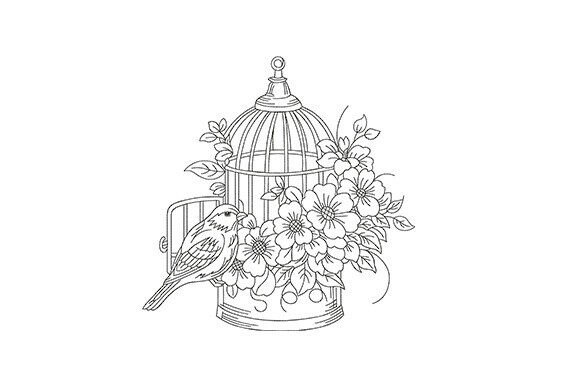
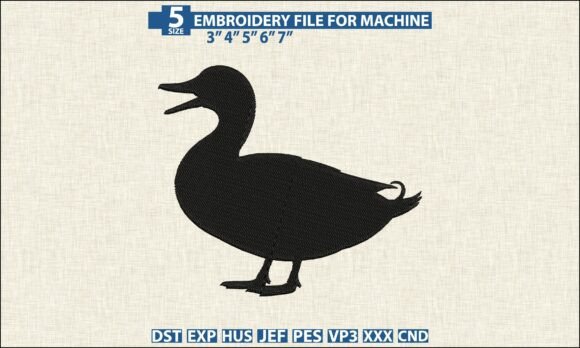
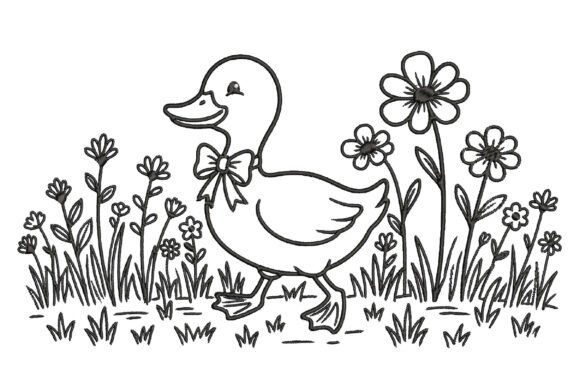
As a professional embroidery designer who has digitized and stitched out countless nature motifs, I approach every new machine embroidery design with a critical eye. It is not enough for a graphic to look charming on a screen; it must translate into thread without puckering, breaking, or losing its character. When evaluating the Line Art Floral Duck Embroidery Design, my immediate impression is one of delicate balance. This piece captures a peaceful, pastoral mood that feels distinctly different from the cartoonish waterfowl often found in the Birds category. The interplay between the duck’s silhouette and the surrounding wildflowers suggests a sophisticated aesthetic suitable for modern handmade product lines rather than just traditional nursery decor.
The layout relies heavily on negative space, which is a hallmark of quality redwork and outline styles. For those of us running a craft business or managing an Etsy shop, this visual breathing room is valuable. It allows the design to feel airy and elegant on fabric, preventing the stiff, bulletproof texture that can ruin a garment's drape. However, this reliance on line work also demands precision. As I prepared to test this design for a client’s custom spring tote bag collection, I had to consider how these single runs and fine details would behave on canvas versus linen.
Stitching Performance on Custom Apparel and Totes
In a real-world production scenario, I recently integrated this design into a run of unbleached cotton tote bags intended as boutique merchandise. The Line Art Floral Duck Embroidery Design performed exceptionally well as a tote bag design because the stitch density remained low while maintaining high visual impact. Unlike complex fill stitch designs that can cause heavy fabrics to pucker or warp, this outline-heavy composition sat flat against the canvas. The wildflower elements acted as natural anchors, stabilizing the perimeter of the duck motif without requiring excessive underlay.
For custom apparel, specifically lightweight sweatshirts and baby onesies, the design’s gentleness is its greatest asset. Heavy embroidery can weigh down knit fabrics, but this file respects the material's integrity. During my test stitch-out on a French terry sweatshirt, the running stitch elements glided smoothly without catching or tunneling. This makes it an ideal candidate for baby embroidery projects where comfort is non-negotiable. Parents and customers are increasingly sensitive to scratchy backing or dense stitching against skin, and this design avoids those pitfalls entirely. If you are creating personalized gift items for newborns or toddlers, this motif offers the whimsy of a farm animal with the refinement expected in high-end children’s wear.
Navigating Fabric Textures and Stabilizer Choices
While the design is versatile, line art is unforgiving on certain substrates. Because the visual interest comes from continuous, unbroken lines, any fabric distortion becomes immediately obvious. I strongly advise caution when using this embroidery file on highly textured surfaces like terry cloth or loose-weave linens. The thin stitches can get lost in the pile, making the duck and flowers appear disjointed. In these cases, you might need to add a water-soluble topping or consider if a denser applique design would be more appropriate for that specific project.
Stabilizer selection is equally critical. For stretchy knits used in sweatshirt embroidery, a cut-away stabilizer is mandatory to prevent the outline from distorting after washing. Conversely, for woven tea towels or pillow covers, a tear-away may suffice, provided your hooping tension is perfect. I always recommend testing the design on a scrap of your exact project fabric first. Check whether the thread colors provide enough contrast; line art on dark fabric requires a lighter thread weight or color to remain visible, whereas the same design might vanish on black denim unless you use a variegated or metallic thread to catch the light.
Commercial Viability for Makers and Sellers
For the Etsy seller or small shop owner, the commercial value of this design lies in its broad demographic appeal. It bridges the gap between cottagecore aesthetics and minimalist modern design. When listing finished products, this motif photographs beautifully because it lacks the visual clutter of dense shading. It works effectively in printable mockup presentations, allowing potential buyers to clearly see the artwork even in thumbnail size. This clarity drives engagement and trust, as customers can verify exactly what they are purchasing before adding to cart.
However, professionalism extends beyond the stitch-out. Before incorporating this into your commercial embroidery lineup, you must verify the licensing terms associated with the digital file. Ensure you have the right to sell finished goods versus the digital embroidery file itself. Additionally, consider how this design fits your brand consistency. Does the peaceful, nature-inspired vibe align with your existing catalog? If you specialize in edgy streetwear, this delicate duck might feel out of place. But for makers focusing on sustainable fashion, organic baby goods, or home decor, it serves as a cohesive design asset that reinforces your niche identity.
Practical Designer Notes for Best Results
To ensure your finished product meets professional standards, keep these practical observations in mind when working with the Line Art Floral Duck Embroidery Design:
- Verify Hoop Size: Always confirm the physical dimensions of the design file match your machine’s capabilities. Resizing line art by more than 10-15% can alter stitch length and compromise the smooth curves of the floral elements.
- Thread Weight Matters: Standard 40wt rayon or polyester is typical, but for finer detail on baby embroidery or lightweight blouses, consider using 60wt thread to reduce bulk and enhance delicacy.
- Check Stitch Density: Inspect the file in your editing software. If the running stitches are too long, they may snag during wear. If they are too short, they may perforate delicate fabrics like voile or lawn.
- Mockup Testing: Create black and white versions of your product photos. If the design loses definition without color, it may rely too heavily on hue rather than form. Strong line art should read clearly in monochrome.
- Wash Testing: For items like kitchen towels or holiday embroidery gifts that will face frequent laundering, perform a wash test. Line art can sometimes pull away from fabric edges over time if not properly secured with adequate underlay or edge compensation.
- Licensing Compliance: Never assume usage rights. Document your license for this specific embroidery project to protect your business from future intellectual property disputes.
Elevating Handmade Presentation Through Detail
Ultimately, the success of the Line Art Floral Duck Embroidery Design depends on the maker’s attention to nuance. It is not a "set it and forget it" file; it rewards patience and preparation. When executed correctly, the result is a piece of custom apparel or home decor that feels intentional and artisanal. The graceful curve of the duck’s neck and the organic scatter of the grass blades communicate a level of care that mass-produced alternatives cannot replicate.
Whether you are stitching an embroidered patch for a denim jacket or creating a signature tea towel for your online store, treat this design as a collaboration between digitizer and embroiderer. Respect the limitations of line work, celebrate its elegance, and always prioritize the tactile experience of the final user. By doing so, you transform a simple digital file into a cherished handmade product that stands the test of both style and wear. This thoughtful approach is what separates hobbyists from professionals and turns casual browsers into loyal customers who recognize and value true craftsmanship in every stitch.