Funny Red Chili Pepper Embroidery Review
When evaluating a new machine embroidery design for my studio, I look past the digital preview and imagine how it will actually behave under the needle. The Funny Red Chili Pepper Embroidery immediately caught my eye not just because of its vibrant theme, but because of its potential to bridge the gap between novelty and genuine craftsmanship. As someone who produces both custom apparel and kitchen textiles, I approached this design with a critical eye toward stitch integrity, fabric compatibility, and commercial viability. This isn't just a cute graphic; it is a functional asset that requires thoughtful placement to truly shine in a finished product.
First Impressions and Design Personality
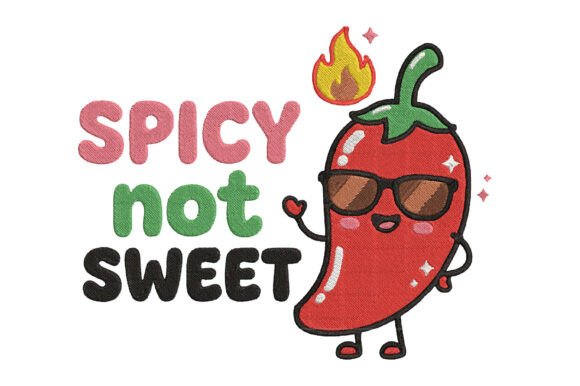
My initial assessment of the Funny Red Chili Pepper Embroidery focuses on its visual balance. In the food category of embroidery, it is easy for designs to become too cartoonish or overly complex. This design strikes a practical middle ground. The character has enough personality to be humorous without sacrificing structural integrity. The shape is distinct, which is crucial when stitching on textured fabrics where fine details can get lost. For an Etsy seller or maker, this level of clarity means the design reads well even in small thumbnail photos or from a distance on a retail display. The mood is undeniably playful, making it an excellent candidate for items meant to spark joy rather than formal heirlooms.
Real-World Application: The Custom Apron Test
To truly judge this embroidery file, I mentally walked through a recent client request for a personalized gift: a custom chef’s apron for a home cook known for spicy recipes. This scenario highlights where the Funny Red Chili Pepper Embroidery excels. An apron is a high-wear item subject to heat, washing, and friction. A delicate satin stitch border might fray over time, but this design’s robust fill areas suggest durability. When positioning the chili pepper on the apron bib, I considered how the curve of the character interacts with the drape of the fabric. Unlike rigid geometric logos, this organic shape conforms naturally to the body, enhancing the handmade product feel rather than looking like a stiff factory patch.
For commercial embroidery projects like boutique merchandise, this versatility is key. I can see this working equally well as a left-chest logo on a sweatshirt embroidery project or as a centered motif on a tea towel. The humor translates across different mediums, allowing a craft business to create cohesive collections. However, success depends entirely on matching the design's weight to the substrate. On a heavy canvas tote bag, the stitches sink in beautifully, creating a premium tactile experience. On a lightweight jersey knit, the same density could cause puckering if not managed correctly.
Critical Considerations for Fabric and Stabilizer
Every experienced designer knows that a digital embroidery file is only as good as its execution. There are specific scenarios where you must use caution with the Funny Red Chili Pepper Embroidery:
- Stretchy Fabrics: If applying this to baby onesies or performance wear, the stitch density must be evaluated. Heavy fill stitches on stretchy material require a cut-away stabilizer to prevent tunneling. Always test on scrap fabric first.
- Textured Surfaces: On terry cloth towels or fleece blankets, tiny details like facial expressions may disappear. Using a water-soluble topping is non-negotiable here to keep the stitches sitting on top of the pile.
- Curved Items: When adapting this as an embroidered patch for caps, verify the hoop size and digitizing angle. Caps have limited vertical space, and a tall chili pepper may need resizing or rotation to avoid hitting the brim seam.
- Dark Fabrics: Ensure thread colors provide sufficient contrast. A red chili on black fabric looks dramatic, but green stems might vanish unless outlined or highlighted with lighter running stitches.
Enhancing Product Value and Customer Trust
The difference between a hobbyist project and a professional small shop product often lies in finishing. When customers buy a personalized gift featuring the Funny Red Chili Pepper Embroidery, they are paying for clean edges and consistent tension. Poorly executed embroidery devalues the entire garment. By ensuring this design is hooped correctly and stabilized appropriately, you signal quality. This builds trust, especially for holiday embroidery orders where buyers expect perfection. Furthermore, using high-quality thread colors that match the design’s intent prevents the "cheap" look that comes from generic color substitutions. The vibrancy of the red and green threads directly impacts the perceived value of the final piece.
Designer Notes for Safe and Successful Stitching
Before loading this embroidery project into your machine for a paid order, run through this practical checklist. These steps protect your reputation and your materials:
- Verify Specifications: Check the included documentation for exact stitch count, recommended hoop size, and format compatibility. Never assume a file fits your machine’s maximum area without measuring.
- Test Stitch Out: Always sew a sample on the actual fabric you intend to use. A test on cotton muslin does not predict performance on denim or silk.
- Review Licensing: Confirm whether the license allows for selling physical finished products versus selling the digital file itself. Respecting intellectual property is essential for ethical design assets usage.
- Mockup Validation: Create a printable mockup or digital overlay to show clients exactly what they are buying. This manages expectations regarding size and placement before a single needle penetrates fabric.
- Color Fastness: Since this is a food-themed design often used on kitchen items, ensure your threads are colorfast and bleach-resistant if the item will be laundered frequently.
Versatility Across Markets and Niches
One of the strongest attributes of the Funny Red Chili Pepper Embroidery is its cross-market appeal. For those specializing in baby embroidery, the cute factor works well on nursery pillows or bibs, provided the back of the embroidery is covered or soft against sensitive skin. For adult markets, it serves as excellent branding for hot sauce companies, taco trucks, or gardening clubs. As an applique design option (if applicable to your specific file version), it offers a faster stitch-out time and a trendy, textured look that appeals to modern buyers. Even for makers focusing on digital sales, providing accurate previews of this design on various backgrounds helps other creators visualize its potential, driving engagement and sales.
Making the Final Decision
Ultimately, the Funny Red Chili Pepper Embroidery is a strong contender for any maker’s library, provided it is treated with technical respect. It brings necessary humor to the food category without compromising on stitchability. Whether you are creating a one-off tote bag design for a friend or launching a full line of spicy-themed kitchenware, this design offers the flexibility needed for diverse applications. Remember that your expertise in stabilizer selection, tension adjustment, and fabric pairing is what transforms a digital file into a cherished finished product. Approach this design with confidence, test thoroughly, and let your craftsmanship elevate the inherent charm of this playful chili pepper.