Embroidery Rose Flower Design: A Business Review
First Impressions for Commercial Branding
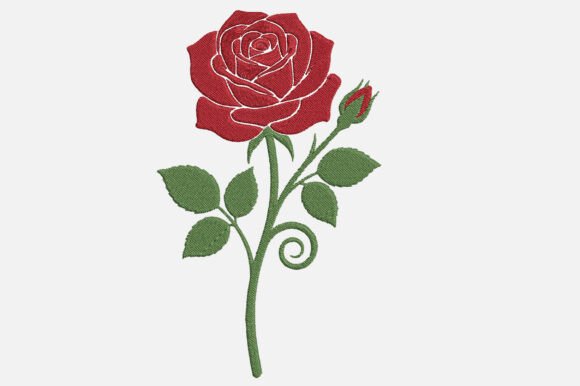
As an embroidery designer evaluating assets for small business merchandise, my first impression of the Embroidery Rose Flower Design is that it strikes a necessary balance between elegance and durability. In the category of Single Flowers, this specific machine embroidery design reads as classic rather than overly ornate. For commercial use, this distinction is vital. While a highly complex, shaded rose might look stunning on a pillow cover, it often fails when scaled down for a staff uniform or cap. This design appears to prioritize clean lines and distinct petal separation, which suggests it will translate well into professional branding.
The visual personality leans towards "premium handmade" and "trustworthy tradition." For a boutique, bakery, florist, or creative studio, this aesthetic communicates quality without feeling stuffy. It avoids the cartoonish vibe of some floral clipart while remaining approachable enough for customer-facing apparel. When reviewing this embroidery file, I am looking for versatility; can this rose serve as a primary logo accent on an apron and still function as a subtle sleeve detail on a polo? The structure of this design suggests yes, provided the digitizing respects the limitations of various substrates.
Real-World Applications for Small Business Merch
When integrating the Embroidery Rose Flower Design into a product line, versatility drives ROI. Small business owners need design assets that work across multiple touchpoints. Here is how this floral motif performs in actual production scenarios:
- Staff Uniforms and Aprons: For cafés and florists, this rose works exceptionally well as a chest logo accent or pocket placement. Its organic shape softens the rigid look of standard workwear, making staff appear more welcoming. On canvas apron embroidery, the design’s texture adds perceived value to the garment.
- Retail Tote Bags: As a tote bag design, this rose serves as a strong brand identifier. Unlike screen printing, embroidery on heavy cotton canvas creates a tactile experience that customers associate with high-end retail. The design fills space effectively without requiring excessive stitch counts that could distort the bag's fabric.
- Custom Patches: Creating an embroidered patch version of this rose allows businesses to sell branded accessories or add removable branding to seasonal items. The self-contained nature of a flower design makes it ideal for merrowed-edge patches that are easy to inventory and apply.
- Event and Wedding Merch: For venues or planners, this design offers a reusable asset for welcome bags, linens, and favors. It bridges the gap between personal gifting and corporate branding.
- Product Packaging Accents: Embroidering this rose onto drawstring pouches or cloth wraps elevates unboxing experiences for Etsy sellers and handmade brands, directly influencing customer retention and review ratings.
Technical Considerations and Production Risks
Despite its versatility, the Embroidery Rose Flower Design requires careful technical evaluation before mass production. Not every application is suitable for detailed floral work. As a professional, I advise testing the following constraints:
Scaling and Detail Loss
While described as delicate, reducing any floral design below 2 inches risks losing definition. Petals may merge into a solid blob if the stitch density is too high for the reduced size. If you intend to use this for cap embroidery on structured fronts, verify that the center detail remains open and legible. Caps present unique challenges due to curvature and seam allowances; always run a test sew-out on an actual cap blank, not just flat fabric.
Fabric Texture Compatibility
This design likely relies on satin stitches or fill patterns that interact differently with various materials. On smooth poplin or twill, it will shine. However, on textured fabrics like linen or terry cloth, fine details may get lost. For rougher surfaces used in custom apparel or rustic home goods, you may need to adjust the underlay or increase column widths to ensure the rose pops against the fabric texture.
Washability and Durability
For staff uniforms and aprons, laundry is a major factor. High-density floral centers can become stiff and prone to puckering after repeated industrial washing. Ensure your stabilizer choice supports long-term wear. A cut-away stabilizer is generally superior to tear-away for garments that undergo frequent laundering, preventing the design from distorting over time.
Impact on Brand Identity and Customer Perception
Choosing the Embroidery Rose Flower Design is a strategic branding decision. Visual consistency builds trust, and embroidery signals permanence. Unlike printed graphics that fade or crack, a well-executed embroidered rose implies that the business values longevity and craftsmanship.
For handmade brands and Etsy sellers, this design reinforces the "maker" identity. It aligns digital files with physical products, creating a cohesive narrative. When customers see the same rose motif on your website banner, your packaging, and your staff’s shirts, it creates a professional ecosystem. This recognition increases perceived value, allowing businesses to command higher price points. Furthermore, offering branded merchandise featuring this rose turns customers into walking advertisements, extending reach organically through word-of-mouth and social sharing.
Professional Designer Notes for Implementation
Before committing the Embroidery Rose Flower Design to production, follow this professional checklist to ensure commercial success:
- Verify Licensing: Always confirm the commercial license terms included with the digital embroidery file. Ensure you have rights to use the design on items intended for resale or paid services, not just personal crafting.
- Create Printable Mockups: Before stitching, place the design digitally on photos of your actual products. A printable mockup helps visualize scale and placement relative to seams, pockets, and zippers. Get client or team approval based on these visuals to avoid costly re-digitizing later.
- Test Thread Colors: Monitor colors vary wildly. Test your chosen thread colors against the specific fabric under natural and store lighting. A rose that looks vibrant on screen may appear muddy on navy polyester. Contrast is key for visibility at a distance.
- Check Hoop Size Requirements: Confirm the design fits comfortably within your machine’s hoop size with adequate margin for stabilization. Over-hooping causes registration issues, especially in multi-color floral designs where alignment is critical.
- Run a Black and White Test: Stitch the design in a single color first. This reveals structural flaws, pull compensation issues, or gaps that colored thread might hide. If the silhouette holds up in monochrome, the design is structurally sound for commercial embroidery.
- Evaluate Beside Other Assets: Compare this rose next to your existing logos and fonts. Does the weight match? Is the style consistent? Your finished product should look like part of a family, not an afterthought.
By treating the Embroidery Rose Flower Design as a functional business tool rather than mere decoration, small businesses can leverage its classic appeal to build stronger, more recognizable brands. Whether applied to a barista’s apron or a boutique’s signature tote, proper execution ensures this floral motif delivers both beauty and bottom-line value.