Dance Embroidery Design: A Boutique Sweatshirt Review
As an embroidery designer preparing for a limited seasonal drop, I approach every new machine embroidery design with a critical eye. It is not enough for a file to simply stitch out without errors; it must translate into a premium finished product that justifies a boutique price point. When evaluating the Dance Embroidery Design for our upcoming collection of neutral sweatshirts and oversized hoodies, my primary focus was on versatility, aesthetic appeal, and technical integrity. This review breaks down how this specific design performs when moved from a digital screen to a tangible garment intended for commercial sale.
First Impressions and Aesthetic Versatility
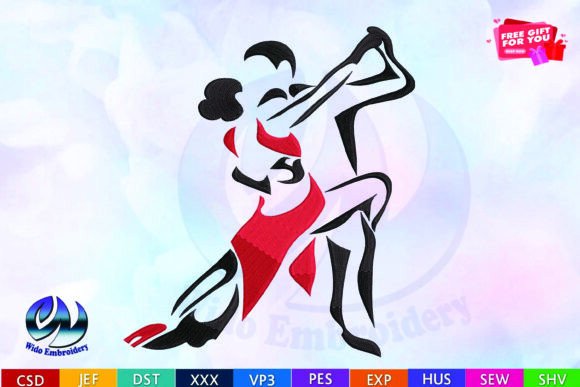
The initial mood of the Dance Embroidery Design strikes a balance between playful movement and structured elegance. For a small shop product, this duality is essential. We are targeting customers who appreciate both comfort and style, so the design cannot look too juvenile nor overly rigid. The layout suggests a fluidity that mimics actual dance motion, which adds a dynamic visual element to static apparel. When reviewing the artwork, I immediately envisioned this stitched on cream, sage green, and dusty rose sweatshirts. These neutral and pastel backgrounds allow the stitching personality to shine without competing with loud fabric patterns.
For our Valentine’s Day capsule collection, this design offers a sophisticated alternative to traditional heart motifs. It feels romantic yet active, making it suitable for dancers, fitness enthusiasts, or anyone who loves expressive art. As a hoodie design, it avoids the trap of looking like generic clip art. Instead, it possesses a handcrafted quality that resonates with buyers seeking unique custom apparel. The aesthetic is feminine but bold enough to hold its own on darker fabrics like charcoal or navy, provided the thread colors are selected to create sufficient contrast.
Technical Evaluation for Sweatshirt Embroidery
A beautiful digitization can still fail if it ignores the physics of the garment. Sweatshirt embroidery presents specific challenges due to the loft and stretch of fleece fabrics. In testing the Dance Embroidery Design, I paid close attention to the stitch density. Fleece requires a design that is dense enough to prevent the fabric texture from showing through the stitches, but not so dense that it creates a bulletproof patch that distorts the drape of the hoodie. This design appears to have been digitized with apparel in mind, maintaining a professional weight that sits comfortably on the chest or back of a garment.
Stabilizer choice is non-negotiable here. For this project, I recommend a medium-weight cutaway stabilizer permanently adhered to the back of the sweatshirt. Tear-away options often lead to puckering on knit fabrics after washing, which destroys the perceived value of a handmade product. Because this design is available in five sizes, we have the flexibility to test different placements. The smaller sizes work beautifully as sleeve accents or wrist details, while the larger formats serve as impactful center chest graphics. Always verify your hoop size compatibility before production to ensure you can accommodate the largest version without excessive re-hooping.
Fabric Texture and Thread Contrast Strategy
The interaction between thread and fabric defines the luxury feel of commercial embroidery. On high-pile fleece, fine details can get lost. The Dance Embroidery Design features clean lines that should remain readable even on textured surfaces. However, color selection dictates success. For light neutral sweatshots, consider using variegated threads or metallics to add depth. For dark garments, avoid matching the thread exactly to the fabric; instead, opt for tones that are slightly lighter or brighter to ensure the dance motif remains visible in lifestyle photography and low-light environments.
Commercial Application for Etsy Sellers and Brands
For fellow Etsy seller entrepreneurs and boutique owners, time is money. Having access to ten different formats means this digital embroidery file is likely compatible with almost every major machine brand, reducing the friction of getting started. This compatibility is crucial for shops that may use multiple machines or outsource production. The inclusion of multiple sizes also supports product line expansion. You could use the largest size for adult sweatshirts, a medium size for youth tees, and the smallest size for tote bags or quilt blocks, creating a cohesive brand identity across various merchandise categories.
When listing this item, high-quality mockups are essential. Use a printable mockup template that accurately represents the scale of the Dance Embroidery Design on the garment. Customers need to visualize the placement relative to the neckline and seams. Because the description notes this works well for logo applique, consider offering personalization services. Adding a custom name beneath the dance figure transforms a standard design into a bespoke keepsake, significantly increasing buyer trust and engagement. Personalized items consistently outperform generic listings in the handmade marketplace.
Value Proposition and Brand Identity
Integrating this design into your catalog does more than fill a product slot; it reinforces your brand's commitment to quality. A well-executed embroidery piece signals to the customer that you understand construction and durability. The Dance Embroidery Design has the potential to become a signature item for your shop, especially if styled effectively in photos. Show the movement of the sweatshirt fabric alongside the static nature of the embroidery to highlight the contrast. This visual storytelling helps justify premium pricing and builds a loyal customer base that recognizes your specific aesthetic.
Production Checklist and Final Considerations
Before launching this design in your shop, run through a practical production checklist to ensure consistency:
- Test Stitch-Out: Never skip this step. Verify registration and tension on the exact fabric you intend to sell.
- Wash Testing: Launder the sample garment to check for shrinkage or thread distortion. Durability is key for boutique brand reputation.
- Format Verification: Confirm you have downloaded the correct embroidery file format for your specific machine model.
- Licensing Check: Review the terms associated with the design assets to ensure commercial use on finished apparel is permitted.
- Needle Selection: Use a ballpoint or jersey needle to prevent damaging the knit fibers of the sweatshirt during stitching.
The Dance Embroidery Design represents a strong contender for seasonal apparel collections. Its blend of artistic flair and technical suitability for knits makes it a reliable asset for decorators and creators. By focusing on proper stabilization, thoughtful color theory, and strategic product placement, you can elevate this design from a simple digital file to a best-selling garment. Remember that the success of any machine embroidery design ultimately depends on the maker's attention to detail. Take the time to refine your process, and the resulting products will reflect the care and expertise that define the handmade community.