Cottagecore Frog and Mushroom Embroidery
First Impressions: Rustic, Playful, and Inviting
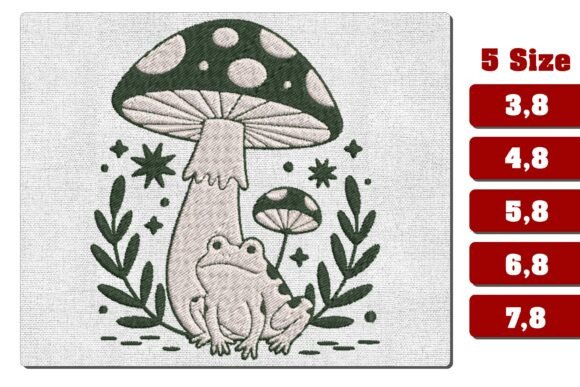
The Cottagecore Frog and Mushroom Embroidery immediately evokes a sense of whimsy and nature-inspired charm. As an embroidery designer evaluating this design for commercial use, I was struck by how it balances a handmade aesthetic with professional execution. The title and description suggest a peaceful woodland scene, which fits perfectly within the cottagecore trend that many small businesses are tapping into today.
This design feels like a natural fit for brands that want to communicate approachability, warmth, and a connection to nature. Whether you run a cozy café, a botanical boutique, or a handmade soap shop, this embroidery can subtly reinforce your brand story through visual storytelling.
Real-World Business Use: From Patches to Product Labels
One of the most exciting aspects of the Cottagecore Frog and Mushroom Embroidery is its versatility across different merchandise types. As a digital embroidery file, it can be scaled and adapted for a wide range of applications:
- Embroidered patches – Perfect for attaching to denim jackets, backpacks, or branded tote bags.
- Chest logo accents – Adds a unique touch to staff uniforms or aprons without overwhelming the garment.
- Sleeve or cap embroidery – Works well as a subtle branding element on casual wear.
- Product packaging accents – Ideal for small batch handmade products looking to elevate their presentation.
- Boutique merchandise – Makes for a charming gift tag or seasonal promotional item.
For Etsy sellers or craft entrepreneurs, this design can be a valuable addition to your digital embroidery file library. It pairs beautifully with earthy tones and organic textures, making it ideal for spring and summer collections.
Where to Use It Carefully
While the Cottagecore Frog and Mushroom Embroidery is visually appealing, there are some practical considerations when applying it to business use:
- Small patch sizes – The fine details in the frog’s eyes and mushroom texture may not translate well below a certain size.
- Cap fronts – The curved surface can distort intricate elements, so test on a sample cap first.
- Textured fabric – Highly textured materials may cause the stitching to appear uneven or lose definition.
- Dark uniforms – Light thread colors might not stand out enough; consider color contrast carefully.
- Frequent washing – High stitch density can affect durability over time; test washability on a sample piece.
As with any machine embroidery design, it’s crucial to review the spacing, thread colors, and stitch density before production. If the design includes tiny outlines or intricate details, they may need to be simplified for smaller applications.
Impact on Brand Identity and Customer Engagement
Incorporating the Cottagecore Frog and Mushroom Embroidery into your small business merch can have a meaningful impact on how your brand is perceived. It adds a touch of personality and storytelling that helps your products stand out in a crowded market. For handmade brands or local businesses, this kind of design can enhance the handmade presentation and foster a sense of authenticity.
From a branding perspective, this embroidery contributes to visual consistency across your product line. Whether it’s on an apron, tote bag, or embroidered patch, the design becomes a recognizable signature element that customers can associate with your business. This consistency builds trust and recognition, especially for Etsy sellers and craft entrepreneurs who rely on strong visual branding.
Moreover, using a design like this in your commercial embroidery projects can elevate the perceived value of your merchandise. A well-executed embroidery detail often signals attention to detail and craftsmanship, which can justify a premium price point.
Practical Embroidery Designer Notes
Before committing to production, here are several steps I recommend taking with the Cottagecore Frog and Mushroom Embroidery:
- Test it in black and white first – Helps assess contrast and detail clarity without color distractions.
- Check small patch size compatibility – Ensure the design remains legible and retains its charm at reduced dimensions.
- Review thread color contrast – Especially important for dark fabrics or multi-layered backgrounds.
- Inspect spacing and stitch density – Avoid puckering or distortion by adjusting as needed.
- Confirm hoop size – Make sure it fits within your machine’s capabilities and the intended placement area.
- Test on real fabric – Always stitch a sample on the actual garment or material to assess performance.
- Use proper stabilizer – Prevents shifting and ensures clean, crisp results, especially on stretchy or textured fabrics.
- Create a printable mockup – Helps clients visualize the final product and approve the design before embroidery.
- Compare with other design assets – Ensure this embroidery complements your existing brand visuals and other embroidery files.
- Confirm commercial licensing – Always verify that the design can be used for resale or business purposes.
Since the original description doesn’t specify stitch count, file format, hoop size, or license terms, I strongly advise small business owners and embroidery shops to confirm these details before production. These factors can significantly affect the design’s usability and cost-effectiveness for your specific needs.
Final Thoughts: A Versatile Design with Heart
The Cottagecore Frog and Mushroom Embroidery offers a unique blend of charm and practicality for small business owners and craft entrepreneurs. Whether used as a branded patch, a boutique tote bag accent, or a playful detail on custom apparel, it brings a touch of whimsy and warmth to any product.
As a professional embroidery designer, I see this design as a smart investment for businesses that want to stand out with a handmade aesthetic while maintaining a professional finish. With careful application and attention to detail, the Cottagecore Frog and Mushroom Embroidery can become a beloved part of your brand identity and a conversation starter with your customers.