Camping Mode Embroidery Design Review
As a professional embroidery designer specializing in commercial merchandise and brand identity, I approach every new machine embroidery design with a critical eye toward production viability. When evaluating the Camping Mode Embroidery Design for small business applications, my primary focus is not just aesthetic appeal, but how the digitizing translates across various substrates used in retail and service industries. This review analyzes the design’s performance as a functional asset for cafes, boutiques, outdoor gear shops, and handmade brands looking to elevate their custom apparel and accessories.
Visual Personality and First Impressions
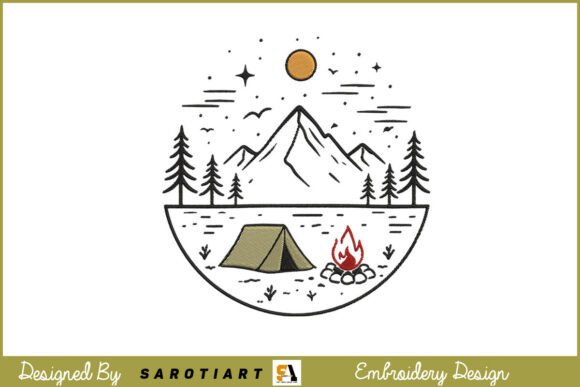
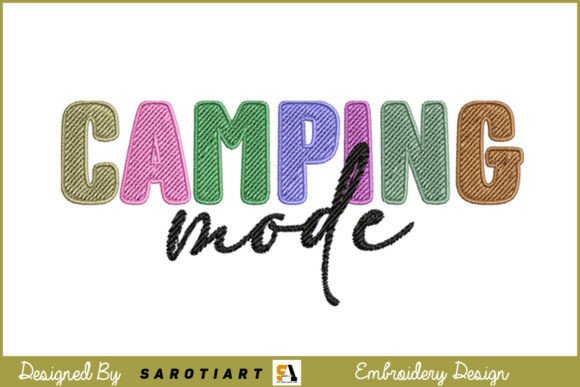
The Camping Mode Embroidery Design immediately presents a dual personality that is highly valuable for modern merchandising. Based on the line art style and thematic elements, it strikes a balance between rustic authenticity and contemporary minimalism. For a business owner, this versatility is key. It does not look like a generic clip-art graphic; rather, it possesses the organic flow necessary for high-end handmade product branding. The "Love Hands" line art component suggests a welcoming, community-focused vibe, making it exceptionally suitable for businesses that rely on customer connection, such as local bakeries, florists, or pet brands incorporating an outdoor theme.
From a digitizing perspective, line art designs are often deceptively complex. They require precise stitch placement to maintain clarity without becoming too dense. My first impression is that this design offers a clean silhouette that will read well from a distance, which is essential for signage and staff uniforms. However, the elegance of line art means there is no room for error in tension or stabilization during production. It feels professional yet approachable, avoiding the overly cartoonish look that can sometimes cheapen a brand's perceived value.
Commercial Applications for Small Business Merch
When integrating this digital embroidery file into a product lineup, versatility determines ROI. Here is how the Camping Mode Embroidery Design performs in specific commercial scenarios:
- Staff Uniforms and Aprons: For cafes or creative studios, this design works beautifully as a chest logo or pocket accent. The line art style keeps the garment breathable and lightweight, unlike heavy fill-stitch logos that can stiffen workwear. On canvas apron embroidery, the design provides a refined artisanal touch that signals quality to customers.
- Retail Tote Bags: As a tote bag design, this motif serves as an excellent reusable shopping bag marker. The natural camping theme aligns perfectly with eco-conscious consumers. Because tote bags are often unstructured fabric, the design’s likely moderate density prevents puckering better than heavy satin stitch alternatives.
- Branded Patches: Creating an embroidered patch version allows businesses to sell add-on merchandise or customize inventory without committing to pre-embroidered stock. The distinct outlines typical of this style facilitate clean merrowing or border stitching, ensuring the patch looks professional when applied to caps, backpacks, or denim jackets.
- Event Merchandise: For pop-up markets or workshops, this design acts as a strong visual anchor. It is gender-neutral and age-inclusive, making it safe for broad small business merch runs ranging from kids’ clothing to adult accessories.
Production Considerations and Technical Constraints
While the aesthetic is strong, technical execution defines success in commercial embroidery. There are specific environments where the Camping Mode Embroidery Design requires careful handling:
Cap Embroidery Challenges
If adapting this for cap embroidery, verify the design’s center point and height. Line art can distort on curved surfaces if not specifically digitized for caps. If the original file is flat, you may need to adjust pull compensation to account for the cap's curvature. Always test on a scrap cap before running a full production batch, as registration marks on structured headwear differ significantly from flat hoops.
Fabric Texture and Stabilization
The description notes suitability for t-shirts and signs, but these represent opposite ends of the stability spectrum. On knit t-shirts, proper stabilizer selection is non-negotiable to prevent the line art from sinking into the fabric or causing tunneling. Conversely, on textured fabrics like burlap signs or heavy canvas, the fine details of line art may get lost. In such cases, consider increasing the underlay or slightly thickening the running stitches in your editing software to ensure visibility against rough fabric texture.
Size Reduction Risks
Small business owners often want to maximize utility by resizing designs. Be cautious when shrinking this design for sleeve cuffs or tiny labels. Line art relies on precision; reducing it below its intended minimum size can cause thread breaks or illegible details. Always check the recommended hoop size and minimum dimensions provided with the file. If the design includes small text elements alongside the hands, these are usually the first casualties of aggressive resizing.
Impact on Brand Identity and Customer Trust
In the competitive landscape of Etsy sellers and local boutiques, brand identity is built through consistency and quality. Using a cohesive design like Camping Mode across multiple touchpoints creates visual recognition. When a customer sees the same high-quality embroidery on a staff apron, a retail tote, and a product tag, it reinforces professionalism.
Poorly executed embroidery damages trust. Frayed edges, puckered fabric, or misaligned stitches suggest a lack of care. By choosing a design with clear pathing and appropriate density, you protect your brand’s reputation. This specific design’s blend of warmth and structure supports a narrative of thoughtful craftsmanship, encouraging buyer engagement and justifying premium pricing on finished goods.
Designer Notes for Successful Implementation
Before loading this embroidery file into your machine for a client order or inventory run, follow this professional checklist to ensure optimal results:
- Verify Licensing: Confirm the commercial licensing terms included with the purchase. Ensure you have the right to use the design on items for sale, not just personal projects.
- Test Stitch-Out: Never skip the test run. Stitch the design in black and white first to evaluate contrast and detail clarity without the distraction of color changes.
- Check Thread Colors: Review the suggested thread colors against your actual inventory. Screen colors in digital files rarely match physical thread perfectly. Create a physical color chart reference for consistency.
- Evaluate Stitch Density: Inspect the design in your software. If stitching onto delicate children’s clothing, ensure the density isn't too high, which could irritate skin or damage the fabric.
- Create Printable Mockups: Before producing physical samples for client approval, generate a printable mockup. This saves time and materials while setting accurate expectations regarding size and placement.
- Compare Design Assets: Place this design beside your existing logo or other branding elements. Ensure the line weight and style complement your current design assets rather than clashing with them.
- Wash Test: If the item will be laundered frequently (like uniforms or kids' clothes), wash and dry the test sample. Line art can sometimes shrink differently than the base fabric, affecting the final appearance.
The Camping Mode Embroidery Design offers significant potential for businesses seeking a versatile, nature-inspired aesthetic. By respecting the technical requirements of line art and applying strategic placement across your product range, this design can serve as a cornerstone for memorable, high-quality branded merchandise. Always prioritize testing and material compatibility to ensure the finished product meets the professional standards your customers expect.