Camo Hunting Dog Embroidery Design Review
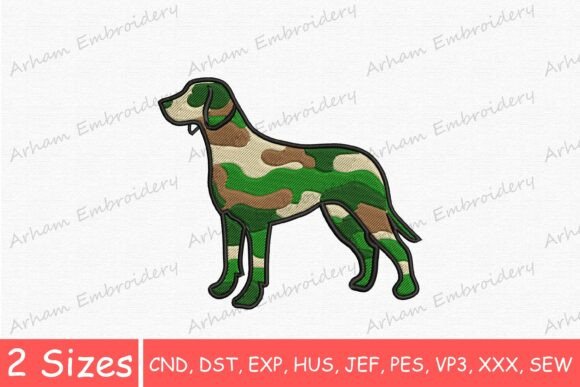
As I prepare my booth inventory for the upcoming weekend craft fair, I am constantly evaluating which digital assets will translate best into physical sales. The Camo Hunting Dog Embroidery Design has caught my attention as a potential staple for my outdoor and rustic collection. When reviewing a new machine embroidery design, I look beyond the screen preview to assess how it will perform on actual merchandise. This specific pattern, featuring a woodland camouflage puppy silhouette, strikes a unique balance between rugged outdoor aesthetics and approachable pet lover charm. For fellow Etsy sellers, boutique makers, and creative entrepreneurs, understanding the practical application of this design is key to maximizing return on investment.
First Impressions: Rustic Appeal Meets Modern Stitching
My initial assessment of the Camo Hunting Dog Embroidery Design is that it leans heavily into the rustic farmhouse decor trend while maintaining a distinct niche appeal for hunting enthusiasts. Unlike generic dog outlines, the integration of the camouflage fill gives this embroidery file immediate texture and visual weight. It does not feel overly cutesy or juvenile; instead, it possesses a mature, outdoorsy elegance that appeals to adult buyers. This distinction is crucial for craft fair success, as it allows the design to bridge two massive demographics: general dog lovers and specific hunting lifestyle consumers.
The silhouette style suggests a bold graphic that should read well from a distance. In a busy market environment, customers often scan tables from several feet away. A design with intricate, tiny details might get lost, but this woodland camouflage puppy shape offers enough contrast and solid coverage to act as a visual anchor. It feels premium rather than novelty, suggesting it can command a higher price point on finished goods compared to simple line-art patterns.
Evaluating Product Applications for Market Sales
Determining where to place this design is just as important as the stitching itself. Based on the aesthetic profile of the Camo Hunting Dog Embroidery Design, I have identified several high-potential applications for my upcoming show.
- Tote Bags and Market Shoppers: This is likely the strongest contender. A natural canvas tote with this design centered creates an excellent tote bag design that serves as both a functional item and a fashion statement. The camo pattern hides minor dirt stains better than solid fills, making it practical for farmers markets and outdoor events.
- Aprons and Kitchen Textiles: For apron embroidery, this design works beautifully on denim or dark green cotton. It fits the "hunter's kitchen" or cabin vibe perfectly. As a tea towel embroidery option, ensure the fabric is smooth; the camo fill requires a stable base to prevent distortion.
- Caps and Headwear: While caps are popular, they present challenges. The Camo Hunting Dog Embroidery Design must be resized appropriately for curved surfaces. If the stitch density is too high, it could cause puckering on structured hats. However, if executed correctly, a camo dog cap is a high-margin impulse buy at outdoor fairs.
- Patches and Small Goods: Creating an embroidered patch version allows for versatile inventory. Patches can be sold individually or applied to pouches and backpacks. This maximizes the utility of a single digital embroidery file.
Production Practicalities and Technical Considerations
Before running a production batch, I must address the technical realities of this stitch density and construction. Camouflage fills are inherently denser than standard satin stitches because they require overlapping layers to create the pattern effect. This brings up several critical production notes for any commercial embroidery business.
First, stabilizer choice is non-negotiable. On stretchy knits or loose-weave linens, a heavy cut-away stabilizer is necessary to support the weight of the camo fill. Without proper stabilization, the fabric will cup, and the registration of the silhouette outline may shift. Second, thread contrast matters immensely. If using a tan camo pattern on beige fabric, the design will vanish. I recommend testing high-contrast combinations, such as olive and black camo on cream fabric, or brown and tan camo on navy denim. Always verify your thread colors against the actual fabric swatch before committing to a full run.
I also advise checking the minimum size requirements. Because camo patterns rely on color changes and small stitch blocks, reducing the Camo Hunting Dog Embroidery Design below its recommended threshold can result in thread breaks or muddy details. If you intend to use this as a small accent on a cuff or pocket, confirm the digitizer has provided a specific small-size version optimized for lower density.
Visual Merchandising and Customer Engagement
At a craft fair, your display tells a story. The Camo Hunting Dog Embroidery Design lends itself to thematic merchandising that boosts perceived value. Instead of laying items flat, I plan to stage them with complementary props like leather straps, wooden tags, or faux foliage. This reinforces the "woodland" and "rustic farmhouse" keywords associated with the product.
For online sellers, this design photographs exceptionally well due to its textured nature. Flat lays can sometimes make embroidery look flat, but the camo fill catches light differently across the stitch angles, creating depth in photos. When creating a printable mockup or listing photo, use natural lighting to highlight the sheen of the rayon or polyester threads. This visual richness communicates handmade quality and justifies premium pricing to digital shoppers browsing Etsy.
Essential Pre-Production Checklist for Sellers
To ensure this handmade product meets professional standards, follow this verification process before listing or packing for the fair:
- Test Stitch on Scrap: Never run this design directly on final inventory first. Use a scrap of the exact fabric and stabilizer combination intended for the finished product. Check for puckering, thread breaks, and outline alignment.
- Verify Hoop Size: Confirm the dimensions fit your machine’s capabilities. If the design is near the limit of your hoop size, consider splitting it or resizing slightly to avoid tension issues at the hoop edges.
- Assess Fabric Texture: Avoid highly textured terry cloth or fleece unless using a water-soluble topping. The camo details need a smooth surface to remain crisp.
- Check Licensing: Before selling, review the terms included with the design assets. Ensure you have the right to sell physical items made with this file. Most designers allow finished product sales but prohibit sharing the digital file itself.
- Create Physical Samples: Digital renderings do not sell at fairs; touchable samples do. Produce at least one high-quality sample of each intended product type to display prominently.
Final Verdict for Creative Entrepreneurs
The Camo Hunting Dog Embroidery Design represents a strong opportunity for small shop product development. It successfully merges the evergreen pet market with the seasonal and lifestyle appeal of hunting and rustic decor. Its versatility across tote bags, aprons, and patches makes it a workhorse asset for inventory planning. By paying close attention to stabilizer selection, thread contrast, and appropriate sizing, this design can become a bestseller in both physical and digital storefronts. For the experienced embroiderer willing to test and refine their production method, this pattern offers the perfect blend of artistic appeal and commercial viability.